


Private Colonoscopy in Glasgow
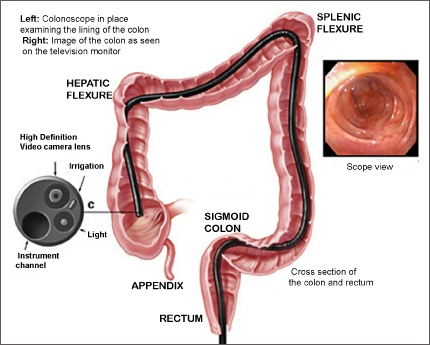
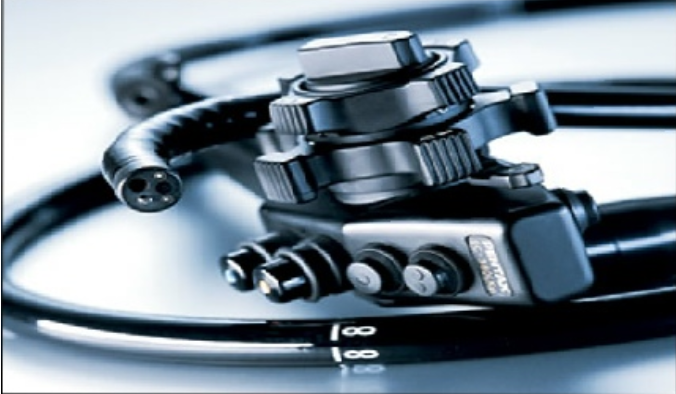
Colonoscopy is a safe and effective way of examining the full lining of the colon and rectum using a flexible camera called a colonoscope. It is used to investigate bowel symptoms, diagnose conditions affecting the colon and rectum, take biopsies, and remove colon polyps where required.
What is a colonoscopy?
A colonoscopy allows your consultant to directly examine the inside of the bowel. It is commonly used to investigate symptoms such as rectal bleeding, change in bowel habit, abdominal symptoms, or a positive bowel screening result. It is also an important procedure for detecting bowel polyps, inflammation, and early bowel cancer.
Most colonoscopies are performed as an outpatient procedure, with minimal inconvenience and discomfort for the patient.
Who should have a colonoscopy?
A colonoscopy may be recommended for adults aged 50 and over who are found to have traces of blood in stool samples submitted as part of a bowel screening programme. It may also be advised for patients with a family history of colon or rectal cancer, even where there are no obvious bowel symptoms.
Your doctor may also recommend a colonoscopy if you have noticed rectal bleeding, a change in bowel habit, or unexplained abdominal symptoms.
- Check unexplained abdominal symptoms
- Investigate inflammatory bowel disease such as colitis
- Assess patients with a positive bowel screening test
- Verify findings of polyps or tumours
- Monitor patients with a personal or family history of colon polyps or bowel cancer
How is colonoscopy performed?
Before the procedure, the bowel must be cleared using special laxatives prescribed by your doctor. Most patients choose intravenous sedation, often called conscious sedation, which helps them stay relaxed and comfortable without being fully unconscious.
If you are particularly anxious about the procedure, full sedation or general anaesthesia may also be possible with the support of an anaesthetist.
If any abnormality is found, biopsies can be taken and polyps can often be removed during the same examination. The procedure usually takes less than 30 minutes.
Recovery after colonoscopy
Most patients can return to their regular diet and normal daily activities on the same day. However, if you have had sedation, you should not drive, operate machinery, or sign legal documents for the rest of the day.
It is important to have a clinic consultation first to discuss the procedure in detail with your consultant and make sure colonoscopy is the right investigation for you.
What are the benefits of colonoscopy?
- More accurate than an x-ray or CT scan for detecting polyps and early bowel cancer
- Allows biopsies to be taken during the same procedure
- Makes it possible to remove many polyps without abdominal surgery
- Helps prevent bowel cancer by identifying and removing precancerous polyps
- Allows your consultant to assess the severity and extent of colitis
What are the risks of colonoscopy?
Colonoscopy is generally a very safe procedure, with complications occurring in less than 1% of patients.
- Bleeding
- A tear in the bowel wall
- Risks associated with sedation
- Incomplete examination
- Rare failure to detect a polyp or other pathology
Private colonoscopy at Glasgow Colorectal Centre
Glasgow Colorectal Centre provides private colonoscopy in Glasgow in a modern, specialist setting based at Circle Health Ross Hall Hospital. We have a dedicated endoscopy suite with the latest high-definition Pentax and Olympus colonoscopes, helping to support accurate diagnosis and high-quality patient care.
Colonoscopy is carried out as part of a comprehensive colorectal service that includes assessment, diagnosis, and treatment planning for a wide range of bowel and colorectal conditions.
Whether you have bowel symptoms, need investigation following a positive screening result, or want specialist advice about colonoscopy, our team aims to provide prompt, consultant-led care in a professional and reassuring environment.
Colonoscopy Information
Incomplete colonoscopy
You might expect an experienced doctor who performs a lot of colonoscopy to to be able to complete the examination around 95% of the time. There are a number of reasons why it might not be possible to complete the examination. These include the following
What are the reasons for an incomplete colonoscopy?
- Patient was not able to take all the laxatives before the procedure so the bowel is not fully cleaned out
- It is not possible to pass the colonoscope through a narrowing or stricture in the bowel. Narrowed areas may be caused by cancer, diverticular disease, Crohn’s disease
- The bowel is very twisty or tortuous or very long which impedes progress.
What happens if it is not possible to perform a complete colonoscopy?
You doctor will discuss why it was not possible to complete the examination. Depending on the indication for the procedure and also taking into account how much of the colon was examined, they may recommend an additional test such as a CT pneumocolon (also known as a CT colonoscopy). Although this is a good second best examination in the event that it is not possible to complete the colonoscopy, it does suffer from the drawback in that if a problem is seen, it is not possible to obtain a biopsy or remove colonic polyps if these are identified.
What sort of conditions can be diagnosed at colonoscopy?
Any diseases affecting the ling of the colon or even the terminal ileum (small bowel leading into the colon) can be diagnosed at colonoscopy. Most examinations are normal. However, some of the more commonly conditions that may be found at colonoscopy include the following
- Haemorrhoids
- Diverticular disease
- Colon and rectal polyps
- Inflammatory bowel disease such as ulcerative colitis, Crohn’s disease or proctitis
- Colon and rectal cancer
- Strictures or narrowed areas of the colon
Book a Consultation with Ahmed Alani
If you are experiencing bowel symptoms or would like to discuss whether a private colonoscopy is right for you, book a consultation with Ahmed Alani. Your appointment will help determine the most appropriate investigation and next steps for your care.
You will be taken to the consultant profile and booking page.